
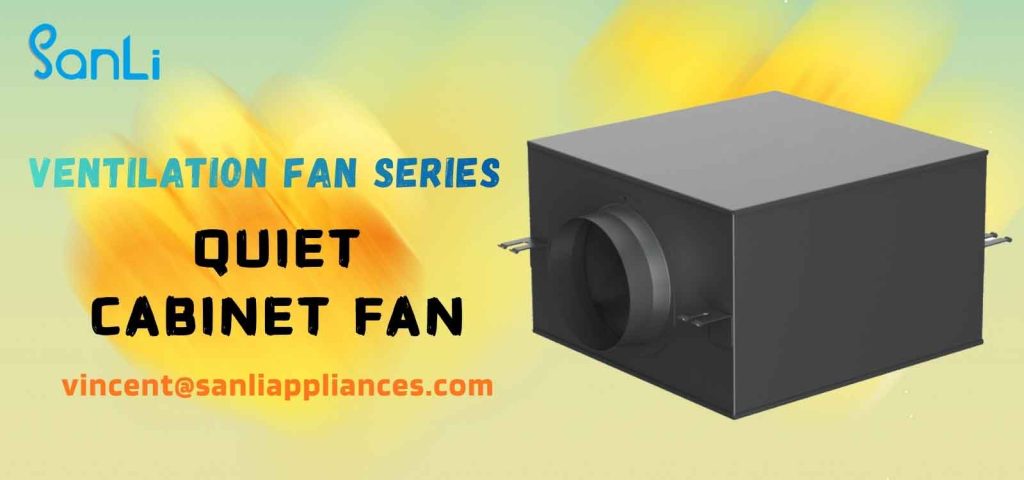
Inline fan extractors with proper ATEX certification provide essential protection in areas where flammable gases, vapors, or dust create explosion risks. These specialized units remove hazardous airborne contaminants safely while preventing ignition sources that could lead to catastrophic incidents. At SanLi Appliances, we design and manufacture ventilation solutions that meet the highest safety demands for commercial and industrial clients around the world.
Our experience as a leading ventilation system manufacturer shows that correct ATEX compliance directly reduces downtime, protects personnel, and ensures regulatory approval for operations in chemical plants, oil and gas facilities, pharmaceutical production sites, and paint booths. We focus on delivering reliable inline duct fans and extractors that balance airflow performance with explosion-proof engineering.
What Does ATEX Certification Mean for Inline Fan Extractors?
ATEX certification confirms that inline fan extractors meet the European Directive 2014/34/EU requirements for equipment used in potentially explosive atmospheres. This certification guarantees the fan will not become an ignition source under normal or foreseeable fault conditions.
The certification process examines every component, from the motor and impeller to the housing and electrical connections. For inline fan extractors, this means non-sparking materials, sealed bearings, and temperature-limited surfaces. We apply these principles across our ventilation product lines to support clients who need duct-mounted extraction in classified zones.
Business owners, product managers, and engineers searching for solutions often face strict compliance deadlines. Without ATEX-rated equipment, projects face rejection during audits or insurance complications. Our factory team has supported numerous international distributors by providing fans engineered for these exact conditions.
Understanding Hazardous Area Classifications and Zones
Hazardous environments receive classification into specific zones based on the frequency and duration of explosive atmospheres. Inline fan extractors must match the zone where they will operate.
Gas zones include:
Zone 0: Explosive atmosphere present continuously or for long periods.
Zone 1: Explosive atmosphere likely to occur occasionally in normal operation.
Zone 2: Explosive atmosphere unlikely in normal operation and present only for short periods.
Dust zones follow a parallel system: Zone 20, 21, and 22.
Equipment receives category ratings (1, 2, or 3) that correspond to these zones. For most industrial inline applications, Category 2 or 3 equipment suffices, but the exact match depends on the site assessment conducted by the end user or consultant.
| Zone | Atmosphere Frequency | Equipment Category | Typical Inline Fan Extractor Requirement |
|---|---|---|---|
| Zone 0 / 20 | Continuous | Category 1 | Highest protection level, very limited use for fans |
| Zone 1 / 21 | Occasional | Category 2 | ATEX II 2G or 2D, suitable for most extraction duties |
| Zone 2 / 22 | Rare, short duration | Category 3 | ATEX II 3G or 3D, cost-effective for low-risk areas |
This table helps purchasing managers quickly identify the minimum certification level needed for their project.
Key Technical Specifications and Industry Terms Explained
Several hyper-specific terms define ATEX-rated inline fan extractors and directly influence commercial decisions.
Gas Groups (IIA, IIB, IIC) determine the ignition energy required. Group IIC covers the most easily ignited substances, such as hydrogen or acetylene. Selecting the wrong group can void compliance and expose the operation to higher risk.
Temperature Classes (T1 to T6) limit the maximum surface temperature of the fan. A T4 rating, common for many chemical applications, ensures surfaces stay below 135°C. This prevents auto-ignition of surrounding vapors.
Equipment Protection Level (EPL), marked as Ga, Gb, or Gc for gas, indicates the level of protection. Gb represents the standard for Zone 1 applications.
EN 14986 serves as the specific European standard for the design of fans in potentially explosive atmospheres. It covers mechanical construction details that many general ventilation fans overlook.
At SanLi Appliances, our QA team verifies these parameters during every production run. We understand that a single mismatched specification can delay an entire project or increase insurance premiums.
Real-World Applications and a Practical Case Study
Industries such as petrochemical processing, pharmaceutical manufacturing, and mining rely on ATEX-certified inline fan extractors to maintain safe air quality. These units extract flammable vapors, solvent fumes, or combustible dust while operating continuously in demanding conditions.
A notable example comes from the chemical processing sector. A major fiber manufacturing facility in the United States faced persistent particulate and solvent vapor issues that threatened both worker safety and product quality. The plant installed custom-engineered high-pressure ventilation systems designed for hazardous locations. The solution delivered Class IV construction standards and maintained consistent airflow under high temperatures and pressures. The outcome included dramatically improved air quality, reduced downtime, and full regulatory compliance.
This case mirrors challenges we hear from many of our B2B partners. Whether in oil refineries handling methane or paint booths managing volatile organic compounds, the right inline extractor prevents accumulation of dangerous concentrations.
According to market data, the global explosion-proof fan sector reached $1.79 billion in 2025 and is projected to grow to $2.99 billion by 2034 at a compound annual growth rate of 5.8 percent. Oil and gas applications account for approximately 38.5 percent of demand, followed by chemical manufacturing at 22.3 percent (DataIntelo, 2025).
How to Select the Right ATEX-Certified Inline Fan Extractor
The selection process begins with a thorough site assessment of the hazardous area classification. Next, calculate the required airflow in cubic meters per hour and static pressure based on duct length, bends, and filtration needs.
Consider motor type carefully. Energy-efficient EC motors, available in many of our models, reduce power consumption while maintaining performance in variable speed applications. For hazardous zones, the motor must carry the appropriate Ex marking and thermal protection.
Material choices matter. Aluminum or stainless-steel impellers resist corrosion in aggressive chemical environments. Sealed housings prevent ingress of dust or moisture that could compromise safety.
We recommend consulting with experienced engineers early. Our team at SanLi Appliances assists clients through every stage, from initial specification to final delivery. For broader insights into ventilation system planning, review our building ventilation code requirements as a starting point for understanding code requirements that often apply across commercial projects.
Installation and Maintenance Best Practices
Proper installation ensures the ATEX certification remains valid throughout the equipment lifecycle. Mount the inline fan extractor securely within the ductwork using vibration isolators to prevent mechanical stress. All electrical connections must use certified Ex-rated glands and follow the manufacturer’s torque specifications.
Regular maintenance includes visual inspection of impellers for damage, checking motor bearings for wear, and verifying that no modifications have been made that could affect the protection concept. Our factory floor insight: many field failures trace back to overlooked duct alignment that creates uneven loading on the impeller. We always advise clients to schedule quarterly alignment checks during the first year of operation.
For additional practical advice on everyday ventilation choices, explore our comprehensive ceiling exhaust fan selection guide and latest advancements in exhaust fan technology. These resources illustrate principles that transfer directly to more demanding industrial settings.
Our Expertise as a Ventilation Fan Manufacturer
With more than 20 years of manufacturing experience, SanLi Appliances operates a modern facility equipped for high-volume B2B production. We hold ISO 9001, ISO 14001, CE, RoHS, UL, and other international certifications that demonstrate our commitment to quality and safety.
Our inline duct fan series, including the mixed-flow D Series and circular DJT models, deliver the airflow and pressure characteristics required for ducted extraction systems. For energy-conscious operations, we highlight our high-efficiency ventilation system solutions featuring the newly launched BPT Series energy-efficient ceiling-mounted ventilation fan.
Clients who wish to start wholesale business quickly can browse our complete ventilation product catalog, ventilation fan manufacturer collection, axial fan manufacturer series, or centrifugal fan manufacturer options.
We believe in long-term partnerships. As one of our factory audit directors often notes, the difference between a good supplier and a great one appears in the details that only on-site experience reveals. That is why we invite distributors, sourcing managers, and R&D teams to visit our facility or request samples for testing.
For deeper understanding of collaboration benefits, many successful brands choose to learn the advantages of partnering with a ventilation fan manufacturer and follow our expert guidance for choosing ventilation fan solutions.
Trade-offs, Limitations, and Common Risks
ATEX-certified inline fan extractors carry higher upfront costs than standard models due to specialized materials and testing. However, the investment protects against far greater expenses from incidents or non-compliance fines.
Low-cost suppliers sometimes offer fans with incomplete documentation or generic Ex markings that fail during notified body audits. We have seen projects delayed for months because of mismatched temperature classes or missing EPL ratings.
Another limitation involves airflow performance. Explosion-proof designs can introduce slight efficiency penalties compared with non-hazardous units. Our engineering team mitigates this through optimized blade profiles and EC motor technology.
Always verify that the fan carries a valid certificate from an accredited body and that the marking matches the exact zone, gas group, and temperature class required. Cutting corners here introduces unacceptable risks to people and property.
Frequently Asked Questions
What is the difference between ATEX and IECEx certification for inline fan extractors? ATEX applies specifically within the European Economic Area, while IECEx provides international acceptance. Many of our clients request dual certification to simplify global supply chains.
Can standard inline duct fans be modified for hazardous areas? No. Retrofitting rarely achieves full compliance. Purpose-built ATEX-rated units undergo complete design and testing to EN 14986 standards.
How do I determine the correct zone for my facility? A qualified explosion protection specialist must perform a hazardous area classification study. We can recommend partners experienced in this process.
What maintenance is required for ATEX-certified inline fan extractors? Follow the manufacturer’s schedule, which typically includes monthly visual checks and annual detailed inspections. Never alter the fan or replace parts with non-certified components.
Does SanLi Appliances offer custom ATEX solutions? Yes. Our engineering team works closely with clients to develop tailored ventilation systems that meet precise airflow, pressure, and certification needs.
Conclusion and Next Steps
ATEX certification for inline fan extractors represents far more than a regulatory checkbox. It forms the foundation of safe, reliable operations in environments where the margin for error is zero. At SanLi Appliances, we combine technical precision with practical manufacturing knowledge to deliver solutions that perform day after day.
Whether you manage a chemical processing plant, oversee procurement for an oil and gas project, or lead R&D for a growing distributor, we stand ready to support your ventilation requirements. Visit our ventilation industry blog and resources library to find more helpful information for your projects.
To expand your knowledge, check these related resources:
Advantages of partnering with a ventilation fan manufacturer
High-Efficiency Ventilation System Solutions: https://sanliappliances.com/resources/high-efficiency-ventilation-system-solution-for-applications/
BPT Series Energy-Efficient Ceiling-Mounted Ventilation Fan: https://sanliappliances.com/products/ventilation-fan-manufacturer/bpt-series-energy-efficient-ceiling-mounted-ventilation-fan/
For a quick quote or technical consultation on our ventilation fans, centrifugal fans, axial fans, or custom inline extractor solutions, please send an email to sanliappliances@gmail.com. Our team responds promptly and looks forward to supporting your next project.
We appreciate the trust placed in SanLi Appliances by brand owners, CEOs, product managers, R&D directors, engineers, purchasers, sourcing managers, traders, distributors, and wholesalers worldwide. Together, we create safer, more efficient working environments through superior ventilation system solutions.
