
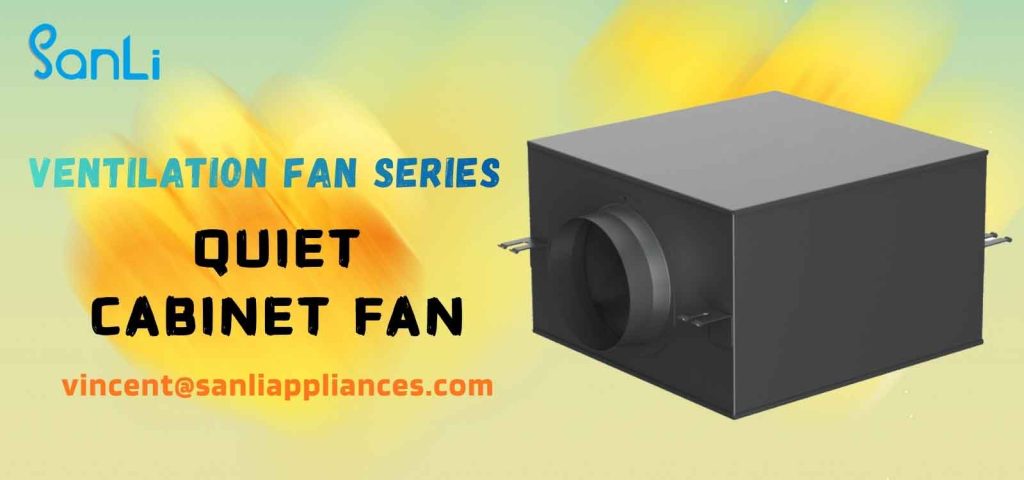
Choosing the right Inline Duct Fan means you must think about airflow, noise, and voltage. Every use has its own problems. Bathrooms need to control moisture. Kitchens have grease and heat. Hotels want fans that are quiet. Here is a quick look at common problems:
| Application | Key Challenges |
|---|---|
| Bathroom Ventilation | Moisture, odor, mold, poor air circulation |
| Kitchen Exhaust | Fumes, grease, high temperature, duct pressure loss |
| Hotel & Apartment Projects | Bulk orders, quiet use, uniform install, certifications |
| Office & Commercial Buildings | Air exchange, low noise, hidden install, long use |
SanLi Appliances helps you fix these problems. They offer flexible choices and follow strict quality rules. If you share your needs clearly, you get the best help from your OEM partner.
Key Takeaways
Know what you need for airflow, noise, and voltage before picking an inline duct fan. Talk clearly with your OEM partner about what your project needs so you get the best results. Think about special problems in different places, like bathrooms needing to control moisture or kitchens needing to handle grease. Use the right math to figure out the airflow (CFM) your space needs so it stays comfy and works well. Pick fans that lower noise if you care about sound, especially in quiet places like hotels or offices. Make sure you pick the right voltage and motor type that matches your local power so the fan works safely and well. Ask your OEM for custom options if regular fans do not fix your special problems. Take care of your inline duct fan often to keep it working well and lasting longer, and check for noise or airflow problems.
OEM Overview
Working with an OEM gives you more than a product. You get a partner who helps make what you need. An OEM, or Original Equipment Manufacturer, builds things based on your needs. This is important because every job needs different airflow, noise, and voltage. Customization lets your Inline Duct Fan work its best.
OEM Capabilities
SanLi Appliances is known for strong manufacturing and new technology. You can see their skills and certifications in the table below:
| Manufacturing Strengths | Quality Certifications |
|---|---|
| Over 20 years of specialized manufacturing expertise | ISO9001, ISO14001, ISO27001, CE, UL, ETL, ROHS, validated through TUV and SGS audits |
| Critical-to-quality inspection at every production stage | Compliance with stringent international requirements for safety, environmental responsibility, and performance |
| Advanced manufacturing facilities with cutting-edge technology | |
| Comprehensive OEM/ODM solutions with a focus on quality |
SanLi Appliances makes products that are reliable and work well. They use modern machines and check each fan carefully. This makes sure every fan is high quality.
Here are some main things a good OEM can do:
| Capability | Description |
|---|---|
| Energy-Efficient Operation | Made to save energy and lower bills with a strong, brushless motor for best results. |
| Versatile Design | Can be used in many places, both for businesses and homes. |
| Easy Installation | Simple to set up with easy-to-use brackets for different setups. |
| Reliable Performance | Tested with strict checks, made from good materials, and comes with a warranty. |
Customization Benefits
OEM customization means you get fans that fit your needs. This gives you better airflow, less noise, and the right voltage. Custom fans can also save energy and last longer.
| Benefit | Description |
|---|---|
| Expertise in Custom Design | The maker has skilled designers and engineers with lots of experience. |
| Tailored Solutions | They can make special products to fit what you want. |
| Comprehensive Customization Service | Offers a full service to meet many different needs. |
You can ask for special features, sizes, or materials. This helps fix problems that regular fans cannot solve.
Tip: Tell your OEM about your project early. This helps them make the best Inline Duct Fan for you.
Quality Assurance
You want fans that work well and last long. SanLi Appliances checks quality all the time while making fans. They test things like motor power, airflow, noise, and energy use at every step. This helps find problems early and keeps quality high. Their careful process means fewer mistakes and helps you feel sure about your fans.
You can trust every fan meets safety and environmental rules. This focus on quality helps you avoid problems and keeps your project going well.
Inline Duct Fan Airflow Customization
Determining Airflow
You need to know how much air your Inline Duct Fan should move. Airflow is measured in cubic feet per minute (CFM). If you get the airflow right, your space feels fresh and comfortable.
CFM Calculation
You can use simple math to find the right CFM for your room or building. Here are common ways to calculate airflow:
Air Changes Per Hour (ACH) You measure how many times the air in a space is replaced each hour. For most homes, the target is 0.35 ACH. Busy places or tight homes need more air changes.
CFM Formula Use this formula:
CFM = (Square Footage × Ceiling Height × ACH) ÷ 60For example, a 2,000 sq ft home with 8 ft ceilings and 0.35 ACH needs:CFM = (2000 × 8 × 0.35) ÷ 60 = 93 CFMOther Methods
Air Change Method: Multiply the room volume by the number of air changes per hour.
Occupancy Method: Count the number of people in the space.
Heat Removal Method: Look at the heat to remove, the desired indoor temperature, and the outdoor temperature.
Tip: Write down your room size and ceiling height before you start. This helps you get the right CFM.
Duct Layout Impact
Your duct layout changes how well your Inline Duct Fan works. Long ducts, elbows, exterior hoods, and backdraft dampers make it harder for air to move. These obstacles increase static pressure and lower the effective CFM.
Long duct runs slow down airflow.
Multiple elbows make air change direction, which adds resistance.
Exterior hoods and dampers block some air.
If you plan your duct layout carefully, you help your fan work better. You can ask your OEM partner for advice on duct design.
Note: A large university in the U.S. Midwest used digital VAV terminal units and saw a 22% energy savings in the first year. They also had a 30% increase in comfort scores. Custom airflow makes a big difference.
Specifying Airflow
You must tell your OEM exactly what airflow you need. Clear communication helps them build the right Inline Duct Fan for your project.
Communicating Requirements
You should share these details with your OEM:
Room size and ceiling height
Target air changes per hour
Number of people in the space
Any special needs, like heat removal or moisture control
You can use a checklist or table to organize your requirements. This makes it easy for your OEM to understand your needs.
| Requirement | Example Value |
|---|---|
| Room Size | 500 sq ft |
| Ceiling Height | 10 ft |
| Target ACH | 0.5 |
| Occupancy | 4 people |
| Heat Removal | 5,000 BTU/hr |
Tip: If you have a complex duct layout, include a sketch or diagram. This helps your OEM design the best fan.
Blade Design Options
Blade design changes how much air your Inline Duct Fan can move. You can choose different blade shapes and sizes. Some blades are wide and flat, others are curved or angled.
Wide blades move more air but may use more energy.
Curved blades can reduce noise and improve efficiency.
Angled blades help air flow smoothly through ducts.
You can ask your OEM about blade options. They can show you samples or explain which design fits your project.
OEM Solutions
SanLi Appliances offers many solutions for airflow customization. You can get fans with special motors, blade designs, and housing shapes. Their team uses advanced technology to match your needs.
You can request energy-saving motors for lower bills.
You can choose materials that last longer and resist moisture.
You can ask for fans that fit tight spaces or unusual duct layouts.
SanLi Appliances checks every fan for quality and performance. You get a fan that meets your airflow needs and works well in your space.
Callout: Custom airflow improves comfort and saves energy. You help your building feel better and use less power.
Inline Duct Fan Noise Control
Noise control is important when picking an Inline Duct Fan. You want a fan that does not make much noise. This is very important in homes, hotels, or offices. You can measure, set, and lower noise if you know some main ideas.
Measuring Noise
Decibel Standards
Fan noise is measured in decibels, or dB. Decibels show how loud a sound is. Many countries have rules for rating fan noise. In North America, the Home Ventilating Institute, or HVI, makes these rules. HVI 915 is about loudness ratings for home fans. HVI 916 is about airflow testing. HVI certification helps you compare fans. You can pick the quietest fan for your needs.
Installation Factors
How you put in your fan changes the noise you hear. You use special tools to check noise, like the HHSL402SD sound level meter. This tool uses A-weighting to match how people hear sounds. It also uses slow time weighting to show average noise during use. You measure noise at ear level and at standing height. These steps help you know how loud the fan will be in real life.
Tip: Put your fan far from bedrooms or quiet rooms. This helps lower the noise you hear.
Setting Noise Limits
Regulatory Needs
You must follow noise rules for homes and businesses. Inline fans can be louder than other fans because of their shape. Some fans have insulation to block noise, but many do not. Noise can move through ducts, especially with axial blades. You can use silencers or flexible connectors to lower duct noise.
OEM Noise Reduction
You can ask your OEM for special features to lower noise. Inline duct fan systems use different ways to make less noise. The fan design keeps noise inside the duct. Insulation inside the fan absorbs sound. Ducts with fiberglass or foam act as silencers. Putting the fan before the discharge grille blocks high sounds. Vibration isolators lower low sounds. Using insulated housing and slower motors also helps. Big fans running slowly make less noise.
Housing and Vibration
The fan housing and how you mount it change noise and shaking. A strong, insulated housing keeps noise inside. Vibration isolators or rubber mounts stop the fan from shaking the building. You can ask your OEM for these features. Good design and careful setup give you a quiet, comfy space.
Note: Always check your fan after you install it. Listen for rattles or hums. Fixing small problems early keeps your fan quiet for a long time.
Voltage and Electrical Options
When you choose an Inline Duct Fan, you must think about voltage and electrical needs. These choices affect how safe and reliable your fan will be. You want a fan that matches your local power supply and works well in your building.
Common Voltages
Regional Standards
Countries use different voltages and plug types. You need to know your local standards before you order a fan. Here are some important points:
Countries have their own plug and voltage rules. This makes it hard to pick the right power plug for each place.
There are 15 types of electrical outlet plugs in use around the world. Each type has a letter name.
If you use the wrong wiring, you can cause safety problems. Always follow your local electrical rules.
You can ask your OEM partner for help with these details. They know how to match your fan to your country’s standards.
Motor Types
The motor inside your Inline Duct Fan must match the voltage and frequency of your power supply. Some fans use brushless motors for better energy savings. Others use shaded pole or external rotor motors. The right motor type helps your fan last longer and run quietly.
Specifying Voltage
Compatibility
You must pick the right voltage and frequency for your fan. This keeps your fan safe and helps it work well. Here is a table to help you see common options:
| Voltage Options | Frequency Options |
|---|---|
| 115V | 50Hz or 60Hz |
| 230V | 50Hz or 60Hz |
| 460V | 50Hz or 60Hz |
Check your building’s power supply before you order. If you are not sure, ask your electrician or your OEM partner.
Custom Solutions
You can ask for special electrical features for your Inline Duct Fan. OEMs like SanLi Appliances offer many choices to fit your needs. Here is a table of options you can request:
| Feature | Details |
|---|---|
| Voltage Ranges | 230V |
| Frequency | 50/60 Hz |
| Motor Types | BLEC External Rotor Motor |
| Speed Control | 0-10V Signal / PWM / RS485 (Optional) |
| Max. Ambient Temp | -25℃ to +60℃ |
| Certifications | ETL, UL, CE, RoHS, ISO9001, ISO14001, BSCI |
| Protection Level | IP44, IP54, IP55 |
| Electronic Protection | Current limiting, Over-temperature, Over-current, Locked-rotor, Soft start |
You can choose features like speed control, high protection levels, and special certifications. These options help your fan work safely in many places. You also get protection from problems like overheating or power surges.
Tip: Always tell your OEM about your local voltage and any special needs. This helps them build a fan that works safely and lasts longer.
Practical Specification Guide
Airflow Checklist
You need to check several things before you choose an inline duct fan. Use this table to help you remember the most important points for airflow:
| Checklist Item | Description |
|---|---|
| Fan Sound Rating | Make sure the fan is rated at 1 sone or less if you want it to run all the time. |
| Airflow Measurement | Test the fan after you install it. Check that it moves enough air for your needs. |
| Certified Airflow Rating | Pick a fan with a certified rating. It should meet or go above your airflow needs. |
| Duct Design Criteria | Follow the rules for duct size. Table 11-25 shows the minimum duct diameter for airflow. |
| Duct Length Limitations | Keep duct runs short. Use ducts that are 25 feet or less and have no more than 3 elbows. |
Tip: Write down your airflow needs before you talk to your OEM. This helps you get the right fan for your project.
Noise Checklist
Noise can make a big difference in how comfortable a space feels. Use this checklist to keep noise under control:
Check the decibel (dB) rating of the fan. Lower numbers mean quieter fans.
Ask for fans with insulated housings if you want less noise.
Look for vibration isolators or rubber mounts to stop shaking sounds.
Place the fan away from bedrooms or quiet rooms.
Test the fan after installation. Listen for rattles or hums.
Note: A quiet fan helps people sleep better and work without distractions.
Voltage Checklist
You must match the fan’s voltage to your building’s power supply. Use this checklist to stay safe:
Find out your local voltage and frequency (for example, 115V/60Hz or 230V/50Hz).
Check if your fan’s motor type works with your voltage.
Ask for special features like speed control if you need them.
Make sure the fan has the right safety certifications for your country.
Tell your OEM about any special electrical needs.
Callout: The right voltage keeps your fan safe and helps it last longer.
Communication Tips
You want your inline duct fan project to succeed. Good communication with your OEM partner makes this possible. When you share your needs clearly, you help the manufacturer build the right fan for your space. Here are some tips to help you talk with your OEM and avoid common mistakes:
Be Clear and Specific Write down your requirements before you contact your OEM. Use simple words and numbers. For example, say, “I need a fan that moves 200 CFM and runs at less than 40 dB.” Avoid vague terms like “quiet” or “strong airflow.” Clear numbers help your OEM understand exactly what you want.
Use Visuals and Diagrams Draw a simple sketch of your duct layout or room. Add labels for fan location, duct length, and any bends. You can also share photos of the space. Visuals make your needs easy to understand.
List Your Priorities Decide what matters most for your project. Is it airflow, noise, or energy savings? Tell your OEM your top priorities. This helps them focus on the features that matter to you.
Share Industry Pain Points Tell your OEM about problems you have faced in the past. Maybe you had fans that were too loud or did not last long. Sharing these pain points helps your OEM suggest better solutions.
Ask for Technical Papers or White Papers You can request technical documents from your OEM. These papers explain how the fan works and show test results. Reading these helps you make smart choices and shows the OEM that you care about quality.
Request Certifications and Test Reports Ask for proof that the fan meets safety and performance standards. Look for certifications like CE, UL, or ISO. Test reports give you confidence in the product.
Keep Records of All Communication Save emails, drawings, and notes from your talks with the OEM. This helps you track changes and avoid confusion later.
Tip: Always ask questions if you do not understand something. A good OEM will explain details and help you learn.
You can use a simple table to organize your requirements before you send them:
| Requirement | Details |
|---|---|
| Airflow (CFM) | 200 |
| Noise (dB) | Less than 40 |
| Voltage | 230V / 50Hz |
| Duct Length | 15 feet |
| Special Features | Speed control, IP54 |
You should also focus on solutions. Tell your OEM what problems you want to solve. For example, say, “I need a fan that reduces moisture in bathrooms,” or “I want a fan that saves energy in a hotel.” This helps your OEM suggest the best options.
Note: Good communication builds trust. When you share your needs and listen to advice, you get better results and avoid costly mistakes.
Best Practices & Integration
Balancing Requirements
You want your inline duct fan to meet all your needs. Sometimes, you must make choices between airflow, noise, and voltage. You can use a simple table to help you see what matters most for your project:
| Requirement | Why It Matters | What To Watch For |
|---|---|---|
| Airflow | Keeps air fresh and healthy | Too much can be noisy |
| Noise | Makes spaces comfortable | Too quiet may lower airflow |
| Voltage | Matches local power supply | Wrong voltage can cause damage |
You should talk with your OEM about your top priorities. If you need a quiet fan for a hotel, you may choose lower airflow. If you need strong airflow for a kitchen, you may accept a bit more noise. You can ask your OEM for advice on finding the best balance.
Tip: Write down your top three needs before you start. This helps you and your OEM make smart choices.
System Integration
You want your inline duct fan to work well with other parts of your building. Good integration means your fan, ducts, and controls all work together. Here are some best practices:
Check that your fan fits the duct size and shape.
Make sure the fan works with your building’s control system.
Use the right mounting hardware to stop vibration.
Place the fan where you can reach it for cleaning and checks.
You can ask your OEM for help with system integration. SanLi Appliances can give you drawings, wiring diagrams, and advice. This support helps you avoid problems during installation.
Note: Good integration saves time and money. You get better performance and fewer repairs.
Compliance & Safety
You must follow safety rules and standards. These rules protect people and property. You should always check for certifications like CE, UL, or ISO before you buy a fan. SanLi Appliances tests every fan to meet strict safety and quality rules.
You can use this checklist to stay safe:
Check for the right certifications for your country.
Make sure the fan has safety features like overload protection.
Ask for test reports from your OEM.
Follow the installation guide step by step.
Callout: Safety comes first. Always use certified products and follow the rules. This keeps your building safe and your project on track.
You can get the best inline duct fan by following a few simple steps.
List your airflow, noise, and voltage needs.
Share clear details and drawings with your OEM.
Check for safety and quality certifications. SanLi Appliances gives you strong support and custom solutions.
Tip: Prepare your checklist and reach out to SanLi for expert help. Good teamwork and clear talks lead to better results.
FAQ
What is an inline duct fan?
An inline duct fan moves air through ducts in your building. You install it inside the duct, not on a wall or ceiling. This fan helps improve airflow and keeps air fresh in rooms like bathrooms, kitchens, or offices.
How do I choose the right airflow (CFM) for my space?
You need to measure your room’s size and ceiling height. Use the formula: CFM = (Room Area × Ceiling Height × Air Changes per Hour) ÷ 60 This helps you pick a fan that moves enough air for your needs.
Can I request a custom noise level for my fan?
Yes, you can. Tell your OEM the maximum noise level you want, measured in decibels (dB). You can also ask for features like insulated housing or vibration isolators to help reduce noise.
What voltage options are available for inline duct fans?
You can choose from common voltages like 115V, 230V, or 460V. Always check your local power supply before you order. Your OEM can help you match the fan to your country’s standards.
How do I communicate my requirements to an OEM?
Write down your needs, such as airflow, noise, and voltage. Use simple numbers and words. Share drawings or photos if possible. Clear details help your OEM build the right fan for you.
What certifications should I look for in an inline duct fan?
Look for certifications like CE, UL, ETL, or ISO9001. These show the fan meets safety and quality standards. Ask your OEM for test reports or certificates before you buy.
Can I get a fan for special environments, like high humidity or heat?
Yes, you can. Tell your OEM about your environment. You can request fans with special materials, coatings, or protection levels like IP54 or IP55. These features help your fan last longer in tough conditions.
How often should I maintain my inline duct fan?
Check your fan every few months. Clean the blades and housing. Listen for strange noises. Regular checks help your fan run smoothly and last longer.
