
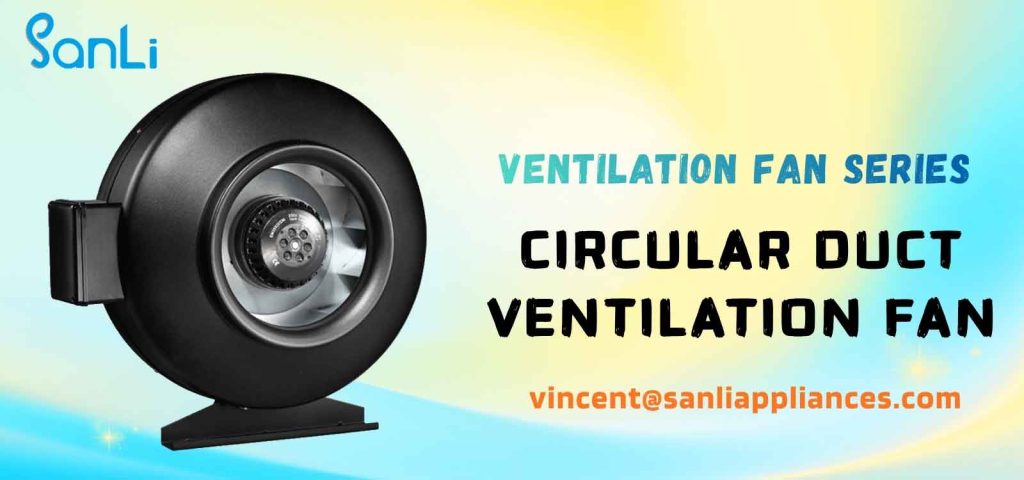
Choosing the right motor for your custom ventilation fan is important. You want the fan to move enough air. It should work well and follow all rules. Picking the right motor helps your OEM project do well. It also makes your customers happy. You can work with a trusted ventilation fan supplier like SanLi Appliances. They can give you reliable custom ventilation fans for any use.
Key Takeaways
Picking the right motor type—AC, EC, or BLDC—changes how well the fan works and how much energy it uses. AC motors do not cost a lot and last a long time. They are good for jobs where the speed does not change in factories. EC motors use less energy and can change speed easily. This helps save power and lets you control the speed. BLDC motors are very quiet and do not need much fixing. They are great when you need the fan to run at a certain speed. Think about how much air you need to move, how much energy you want to save, and if the motor follows local rules. You can change things like motor power and voltage to fit your project. Talk to suppliers early so you pick the right motor and do not make expensive mistakes. Test your fan samples and check for safety labels to make sure they work well and are safe.
Motor Types for Custom Ventilation Fans
When you start a custom ventilation fans project, you should know the main motor types. Each type has special features and works best in different ways. The table below shows how often each motor type is used in the OEM market:
| Motor Type | Prevalence in OEM Market |
|---|---|
| AC Motors | Most used in big HVAC systems and heavy industrial fans because they last long and cost less. |
| DC Motors | Becoming more popular in jobs that need careful control, like cooling electronics and high-efficiency home fans. |
| EC Motors | Growing fastest because they save energy and can change speed easily. |
AC Motors Overview
Operation Principles
AC motors use alternating current to make things move. You often see induction and shaded-pole types in exhaust fans. These motors are strong and do not cost much. The table below explains their main features:
| Characteristic/Principle | Description |
|---|---|
| Motor Type | AC Motors (like induction, shaded-pole) |
| Operation | Work with alternating current |
| Robustness | Strong and not expensive |
| Power Applications | Good for high-power jobs |
| Speed Control | Hard to change speed without extra parts (like variable frequency drives) |
Typical Uses
You find AC motors in many exhaust fans. They work well in fans that run at one speed in factories and stores. Some battery-powered systems and smart machines also use AC motors. Here is a quick look at where they are used:
| Typical OEM use | Application Type |
|---|---|
| Fixed-speed exhaust | Used a lot in factories and stores |
| Battery-fed systems | Good for other power sources |
| Smart equipment | Used in new technology |
EC Motors Overview
Efficiency Benefits
EC motors are very efficient in custom ventilation fans. These motors use brushless, permanent magnets and have built-in electronics. They can be up to 30% more efficient than AC motors. EC motors also make less heat and lose less power. If you run them at half speed, they can use up to 75% less power than AC motors. They are almost silent and do not shake, so they last longer.
Tip: EC motors can take the place of AC motors in axial exhaust fans. This makes them easy to install and saves energy right away.
Application Scenarios
You pick EC motors when you want to save energy and control the fan exactly. The table below shows where EC motors work best:
| Application Area | Description |
|---|---|
| HVAC Systems | Used a lot because they save energy and can change airflow as needed. |
| Industrial Ventilation | Help keep air moving in factories or warehouses, which is important for safety and cooling. |
| Refrigeration | Save energy and keep the right temperature in cooling systems. |
| Automotive | Help use less power and keep engines and cabins comfortable. |
| Food Processing | Make sure air moves well and keeps food fresh. |
BLDC Motors Overview
Performance Features
BLDC motors are special because they do not have brushes. This means they waste less energy and need less fixing. You get smart control, overload protection, and quiet running. These motors last a long time and work well. The table below shows their main features:
| Feature | Description |
|---|---|
| Brushless design | Wastes less energy because there is no brush rubbing. |
| Intelligent control | Can reverse and run steady, which saves energy. |
| Long-term operation | Uses less energy over time. |
| Low maintenance | No sparks or dust, so you do not need to fix them often. |
| Overload protection | Can be set up for more safety. |
| Quiet operation | Runs quietly, so it is more comfortable. |
| High performance and stability | Good for tough jobs like big exhaust fans. |
| Energy efficiency | Makes fan motors work better and use less power. |
Best Fit Applications
You see BLDC motors in custom fans that need exact speed and quiet running. They are good for fan coil units, air handlers, furnace blowers, condenser units, and heat pumps. The table below shows where they fit best:
| Application Type | Key Features |
|---|---|
| Fan Coil Units | Need exact speed, quiet running, and work well. |
| Air Handlers and Furnace Blowers | Match airflow to heating or cooling for better results. |
| Condenser Units | Must handle weather and last outside. |
| Heat Pumps and Ventilation Systems | Can change speed for new systems and save energy. |
When you pick the right motor for your exhaust fan, you help it work better, save energy, and reach your project goals.
Comparing Motor Types
Efficiency and Cost
When you pick a motor for your custom ventilation fan, you need to think about energy use and price. Each motor type—AC, EC, and BLDC—has its own good points. You want a motor that saves energy and lasts a long time. You also want to keep your project on budget.
The table below shows how BLDC, EC, and AC motors compare in energy use, price, and how long they last:
| Motor Type | Energy Efficiency | Cost Considerations | Lifespan |
|---|---|---|---|
| BLDC | Uses about 15% less energy than EC motors | Costs more at first, but saves money later | Lasts longest because it has no brushes |
| EC | Very efficient and works well | Costs about the same as BLDC, used a lot in business fans | Lasts a long time, better than brushed motors |
| AC | Good for simple jobs, not as efficient as EC or BLDC | Cheapest at first, but energy bills are higher | Works well, but might need more fixing |
Tip: If you want to pay less for power and have a motor that lasts the longest, BLDC motors are a smart pick. EC motors also save energy and work well in many business projects. AC motors cost less at the start, but you might pay more for power later.
Control and Integration
You also need to think about how the motor will fit in your system. Some motors let you control them more and are easier to change. Others are best for simple setups. The right motor depends on what your project needs.
Here are some important things to think about when you compare control and how easy it is to add the motor to your system:
| Factor | Description |
|---|---|
| Customization | You can change things like shaft size, winding, and voltage to fit your fan. |
| Product Quality | Look for motors with certifications like ISO 9001. These show the motor is tested and works well. |
| Production Capacity | Make sure your supplier can make enough motors and send them on time. |
| Technical Support | Good suppliers help with engineering, CAD drawings, and fixing problems. |
BLDC and EC motors give you more control. You can change the speed, airflow, and even connect them to smart systems. AC motors usually run at one speed unless you add extra parts. For OEM projects, you may want a motor that is easy to add and change.
Note: If you work with a company like SanLi Appliances, you get lots of ways to customize, strong technical help, and motors that are tested for quality. This makes your project go well from start to finish.
Picking the right motor means looking at how it works and how well it fits your system. Think about what you want your project to do, how much energy you want to save, and what help you need from your supplier.
Key Criteria for OEM Motor Selection
Performance and Airflow Needs
You need to know what you want your fan to do. The right motor keeps your system cool and safe. You must pick a motor that matches the airflow you need. Airflow depends on a few things:
CFM ratings show how much air the fan moves.
Static pressure tells you how hard the fan must work. This matters if you have filters or long ducts.
The shape of the fan blades changes how much air moves, how loud it is, and how well it works.
Check these things before you choose a motor for your fan. Good airflow and strong motors help your project do well.
Energy Efficiency and Compliance
Motors that use less energy save money and help the planet. You must follow rules in different places. The European Union has tough rules for how well fan motors must work. The U.S. also has strict rules for exhaust fan motors. These rules make you use motors that save more energy.
Tip: If you pick energy efficient motors, you can meet world rules and pay less for power.
Ask your fan supplier about quality certificates. Look for motors that meet ISO and other world standards. This helps your fans work better and last longer.
Application and Environment Fit
Think about where you will use your fan. The place you use it changes what you need. Some places are hot, wet, or dusty. The table below shows how these things matter:
| Environmental Factor | Impact on Motor Selection |
|---|---|
| Temperature | Motors must work in high heat to last longer. |
| Humidity | Wet places need motors that do not rust. |
| Dust | Fans should keep dust out so they keep working. |
If your fan is in a wet or rusty place, pick motors made from stainless steel or other strong materials. For factory fans, choose ones that can handle chemicals and heat. Sealed bearings and thermal overload protection help your fan last longer.
You can ask your supplier to make the fan fit your needs. Custom fans match your job, airflow, and where you use them. This helps you get the best fan for your project.
Customization Options for OEM Fans
You can make your ventilation fan project fit your needs. There are many ways to change your fan. You can pick the motor power you want. You can choose the voltage that works in your area. You might need a special blade design or a certain material. You can also pick the right features for your job. The table below shows some choices you can make for your OEM fans:
| Customization Aspect | Options Available |
|---|---|
| Motor Power | 18W, 30W |
| Voltage | 110V, 220V, 240V |
| Impeller Material | Plastic, Metal |
| Blade Design | Various designs |
| Casing Dimensions | Custom sizes, colors (white, silver, stainless steel) |
| Integrated Features | LED lighting, humidity sensor, timer, remote control |
| Duct Connector Type and Size | Custom types and sizes |
| Packaging and Labeling | Tailored to regional requirements |
You can ask for a fan with the motor power you need. Pick the voltage that matches your power at home or work. Choose a plastic impeller if you want it light. Pick metal if you need it strong. You can select the blade design for better airflow or less noise.
Change the size and color of the casing to fit your brand. Add things like LED lights or a humidity sensor for extra use. You can get special duct connectors and packaging for your market. These choices help you make a fan that is different and works well for your project.
Quality and Certification Standards
You want your fans to be high quality. This helps you feel safe and follow the rules. Look for fans that pass hard tests and have good certifications. These show your fans are safe, work well, and save energy.
The table below lists some important certification standards for OEM ventilation fans:
| Certification Standard | Purpose | Region |
|---|---|---|
| UL 507 | Electrical safety | North America |
| AMCA Certified Ratings Program | Verified airflow performance | North America |
| DOE LDCF compliance | Efficiency rules | North America |
| CE certified | Compliance | European Union |
Check if your fans have UL 507 for safety in North America. Look for AMCA to know your fans move air as they should. DOE LDCF means your fans save energy. CE shows your fans follow the rules in Europe.
SanLi Appliances gives you fans that meet many world standards. You can trust their fans to be safe and work well. This helps you give your customers good and safe fans.
Step-by-Step OEM Specification Process
Define Project Requirements
Start your OEM project by making clear goals. Write down what you want your fan to do. Think about how much air you need to move. Decide how strong the motor should be. List the size and voltage you need. Write where you will use the fan. You may want special features, like quiet operation or smart controls.
Think about the environment too. Will the fan work in a hot place? Is it wet or dusty? Write down any rules or certifications you must follow. This helps you avoid problems later. When you know your needs, you can talk to your supplier with confidence.
Engineering Consultation and Design
Next, work with a skilled manufacturer. A company with a good R&D team, like SanLi Appliances, can help you design the best fan. Their engineers listen to your needs and suggest the right motor type. They can help you improve performance and save energy.
You can see the benefits of engineering help in the table below:
| Feature | Benefit |
|---|---|
| Voltage Fit | Built for 500-600V fan applications |
| Reduced System Complexity | Integrated electronics help reduce external components |
| Controls Flexibility | Supports analog, PWM, and Modbus control paths |
| Compact Integration | External-rotor design supports tight equipment layouts |
| OEM and Retrofit Ready | Useful for new designs, platform updates, and modernization projects |
| Application Support | Backed by ZIEHL-ABEGG fan and motor expertise |
| Lower Total Cost of Ownership | Fewer components and reduced maintenance requirements lower lifecycle costs |
| Faster Time to Market | Simplifies equipment design and reduces integration effort |
| More Focus on Innovation | Allows more time for developing competitive equipment platforms |
You get help with voltage fit and controls flexibility. You can make your fan smaller and easier to install. You also save time and money. The R&D team helps you with customization and makes sure your design is safe. They protect your ideas and keep your project secret.
Tip: Share your ideas early with your supplier. This helps you get the best design and keeps your information safe.
Prototyping and Testing
After you finish the design, build a prototype. This is a sample fan to check if everything works. Testing is very important. You want to make sure the fan meets your airflow and performance needs.
Here are some best practices for prototyping and testing:
Set up strong thermal tests to stop heat damage to the electronic parts.
Use an acoustic chamber to record sound at all speeds. This helps you find noise problems early.
Build models to check how long the controller parts will last before you order many fans.
Test the fan in real conditions. Check if it moves enough air and stays quiet. Make sure it works well in the place you plan to use it. If you find problems, you can fix them before you start big production.
A strong R&D process helps you avoid mistakes. You get a fan that works well and lasts a long time. SanLi Appliances uses advanced R&D and testing to make sure every fan meets high standards.
Certification and Compliance Checks
You have to make sure your custom ventilation fan follows all rules. This is important before you start making the fans. Checking certifications helps you avoid problems later. It also keeps your fans safe and working right. There are a few main things you should check at this step.
| Check Item | Why It Matters |
|---|---|
| Airflow | Confirms the volume of air the system must move |
| Static pressure | Shows whether the fan can handle the real system resistance |
| Continuous temperature | Confirms daily operating duty |
| Emergency rating | Confirms smoke or fire duty if required |
| Installation condition | Affects layout, access, and motor protection |
| Compliance need | Affects what products can be approved |
You need to test airflow to see if your fan moves enough air. Static pressure checks show if the fan can push air through ducts. Continuous temperature checks make sure the fan works every day. If your fan must work in emergencies, check the emergency rating. You also need to look at where you will put the fan. Some places need special motor protection. Always check what certifications you need for your market, like UL, CE, or AMCA.
Tip: Work with a manufacturer like SanLi Appliances. They know how to test and certify fans for many countries. This helps you meet all rules and deliver safe, reliable products.
Production and Delivery Planning
You need a good plan to make and ship your custom fans. Planning helps you avoid delays and extra costs. There are some important things to think about when you plan production and delivery.
| Factor | Description |
|---|---|
| Fan Size and CFM | Pricing changes based on fan size and how much air it moves. |
| Material Specifications | The materials you choose, like stainless steel, can change the cost. |
| Motor Protection | The right motor protection keeps your fan working in tough places. |
| Lead Times | Custom fans often take 10-22 weeks to build and deliver. |
| Quantity | Ordering more fans at once can lower the price for each unit. |
| Freight Costs | Shipping can add a lot to the total price, so always check delivered pricing. |
You should also think about where your fan will be used. Different places need different motor protection:
Clean air areas use standard motors with basic protection.
Dirty or dusty air needs TEFC motors for better sealing.
Corrosive or hot places need special motor covers to last longer.
Note: Plan your orders early. Talk with your supplier about lead times and shipping. SanLi Appliances can help you pick the right materials, motor protection, and shipping for your project. This makes sure your fans arrive on time and work well anywhere.
Exhaust Fan Customization and Integration
Custom Motor Power and Voltage
You can choose the motor power and voltage that fit your project. This step is important for exhaust fan customization. You may need a fan that works with 110V, 220V, or 240V power. Some projects need more power for bigger spaces. Others need less power to save energy. You can match the motor to your airflow needs and local power supply. This helps your fans work safely and last longer. When you place custom exhaust fan orders, you can ask for special motor ratings. You can also request motors that meet rules in your country. This makes your fans ready for any market.
Mounting and Size Adjustments
You can adjust how you mount your fans and what size you need. This part of exhaust fan customization helps your fans fit any space. You can use different mounting styles for walls, ceilings, or ducts. You can also change the size to match your airflow needs. Here are some common mounting and size adjustments:
Mount fans high enough to keep them safe from animals or people.
Use several smaller fans instead of one large fan for even airflow.
Space fans about 10 fan diameters apart along the length of a building.
For width, reduce spacing to 4-5 diameters for better coverage.
Angle fans at 20° toward the floor to spread air evenly.
You can ask for custom requests if you need special mounting brackets or unique fan sizes. This makes your fans easy to install and use in many places.
Color, Branding, and Labeling
You can make your fans look the way you want. Color, branding, and labeling are key parts of exhaust fan customization. These options help your fans stand out and match your brand. You can pick colors that fit your company or market. You can add your logo or special labels. You can also choose different finishes or styles. The table below shows how these options help you:
| Customization Aspect | Description |
|---|---|
| Color Options | Custom color matching to align with brand identity and consumer preferences. |
| Branding Solutions | Private label manufacturing and logo printing enhance brand recognition. |
| Appearance Customization | Various finishes and styles that cater to aesthetic preferences of target markets. |
You can work with your supplier to get the look you want. This makes your fans more attractive to buyers. Good customization helps your fans sell better and builds your brand.
Tip: Share your ideas with your supplier early. This helps you get the best results for your project.
Integration with Ventilation Systems
When you want to change your exhaust fan, think about how it will work with your whole ventilation system. Good integration helps your fan run well and keeps your building nice. You want your custom fan to fit right, use less energy, and last longer.
First, check the electrical details. Make sure the motor matches your building’s voltage and frequency. Look at the shaft size and how the fan will be mounted. These things help your fan fit in without trouble. If you need special thermal features, like overload protectors, ask for them when you order your fan.
You can use advanced motors, like electronically commutated motors, to save more energy. These motors work with speed controllers. You can change the airflow when you need to. This helps you meet green building rules and pay less for power. Many new systems use these features to keep air clean and use less energy.
Quality is important when you connect your fan to a bigger system. Make sure your fan passes tough safety and reliability tests. Look for fans made under ISO9001-certified quality systems. These fans go through careful checks for electrical safety and heat design. When you pick a trusted maker, you get fans that work well and last longer.
Here are some key things to remember for good integration:
Match the motor’s electrical and mechanical parts to your system.
Pick motors with smart controls for better airflow and energy savings.
Choose fans that meet high safety and quality standards.
You can also talk to your supplier about special needs. If your system has special ductwork or space problems, you can ask for custom mounting or wiring. This kind of exhaust fan customization makes sure your fan fits right and works as it should.
Tip: Always test your fan in the real system before you finish installing it. This helps you find problems early and fix them if needed.
A fan that fits well helps the whole ventilation system. You get better air flow, lower energy bills, and a safer place for everyone.
Practical Tips and Common Mistakes
Early Supplier Engagement
You should talk to your ventilation fan supplier early in your project. This helps you avoid mistakes and get the best results. When you share your needs from the start, you get better advice on motor selection, airflow, and efficiency. Early talks also help you plan for customization. You can ask about special features or energy efficient options. Your supplier can guide you on the right exhaust fan for your space. They can also help you meet safety rules and quality standards. If you wait too long, you might face delays or need to change your design.
Tip: Start your project with open talks. This builds trust and helps you get the right fan for your job.
Documentation and Communication
Clear paperwork and good talks make your project go smoothly. You should write down all your needs for the exhaust fan. This includes airflow, voltage, size, and where you will use the fan. Share drawings, photos, or samples if you have them. Good notes help your supplier understand your goals. You should also ask for updates during the project. This helps you catch problems early. If you change your mind, tell your supplier right away. Good communication keeps your project on track and avoids costly mistakes.
Make a checklist for all your exhaust fan needs.
Use simple words and clear drawings.
Ask questions if you do not understand something.
Avoiding Common Pitfalls
Many people make the same mistakes when they pick motors for exhaust fans. You can avoid these problems if you know what to watch for. The table below shows some common mistakes, what happens, and how you can stop them:
| Mistake | Consequence | How to Avoid |
|---|---|---|
| Not thinking about noise early | Fans may be too loud or need costly fixes | Plan for quiet fans from the start and set noise rules |
| Picking the wrong vibration isolators | Fans may shake or wear out fast | Choose isolators that fit the fan’s weight and speed |
| Ignoring how noise travels in buildings | Noise may show up in other rooms | Use flexible parts and keep fans separate from walls |
| Bad duct design | Fans may hiss or lose airflow | Use smooth, wide ducts and add silencers if needed |
| Skipping regular checks | Fans may break or get noisy | Check and fix fans often |
| Using only one solution for noise | Noise may not go away | Use many ways to control noise and vibration |
You should always look at the whole system when you pick an exhaust fan. Think about airflow, noise, and how the fan fits in your building. Work with your supplier to find the best answers. This helps you get a fan that works well and lasts a long time.
Application Scenarios for Custom Ventilation Fans
Industrial and Commercial Use Cases
Custom ventilation fans are used in many businesses and factories. These fans help keep the air clean and control the temperature. They also remove dust and fumes from the air. Different fans work best for different jobs. The table below shows which fan type fits each job:
| Fan Type | Applications |
|---|---|
| Airfoil | General ventilation, process heating, biomass production |
| Backward Curved | Pollution control, cooling systems, odor control |
| Backward Inclined | Dust collection, pollution control, oven exhaust |
| Radial Tip | Forced draft, incineration, abrasive airstreams |
| Radial | Material handling, pollution control, dryers |
| High-Pressure Radial | Chemical processing, pneumatic conveying, combustion air |
| Paddle Wheel | Material handling, dust collection, pneumatic conveying |
| Fixed Blade Axial Propeller | General commercial applications with cast aluminum design |
| Adjustable Pitch Axial Propeller | Field performance adjustments for axial fans |
| Stamped Blade | Light duty commercial applications |
| In-line Centrifugal | Higher static pressures in axial designs |
You might see a kitchen exhaust fan in a restaurant or a factory. These fans take away smoke and heat to make work safer. In shopping malls, in-line centrifugal fans move air through long ducts. Each fan type helps with different needs, so you can pick the right one.
Residential and Specialized Applications
Custom ventilation fans are also used at home and in special places. In houses, a kitchen exhaust fan takes away cooking smells and steam. This keeps your kitchen fresh and stops mold from growing. Bathroom fans remove moisture and protect the walls from damage.
Some fans are used in hospitals or labs. These places need very clean air to keep people safe. Fans with special filters take out dust and germs. In schools, fans bring in fresh air so students can breathe better.
Fans are also used in greenhouses. These fans help control temperature and humidity for plants. Custom fans are made to fit each job, so you always get what you need.
Case Examples from OEM Projects
You can learn from real projects. In one example, a ceramics plant in Poland changed 18 wall-mounted exhaust fans to use variable frequency drive controls. This cut energy use by 30 percent. The company got its money back in just seven months. Workers noticed less noise and better air quality. The fans kept the air pressure steady, which helped the whole process.
You might see the same results if you upgrade your kitchen exhaust fan system. Picking the right motor and controls saves money and works better. Custom ventilation fans help you reach your goals in many places.
You can pick the best motor type for your custom ventilation fans by using easy steps. Start by writing down what your project needs. Then, talk to experts and try out test fans. Always look at certifications and make a good plan for making the fans. If you work with SanLi Appliances, you get strong support and smart solutions for your oem project. Think about how well the fan works, if it follows rules, and how you can change it. If you have questions, ask for expert help or more information.
FAQ
What is the main difference between AC, EC, and BLDC motors?
AC motors use alternating current. EC and BLDC motors use electronics for control. EC motors offer high efficiency and easy speed control. BLDC motors provide quiet operation and long life. You should choose based on your project’s needs.
How do I choose the right motor type for my ventilation fan?
Start with your airflow, noise, and energy goals. Think about where you will use the fan. Check local rules. Talk to your supplier for advice. You can ask for samples to test before you decide.
Can I customize the motor voltage and power for my project?
Yes, you can. You can select the voltage and power that match your country’s standards and your airflow needs. Your supplier can help you pick the best options for your application.
What certifications should my custom ventilation fan have?
Look for certifications like UL, CE, and ISO9001. These show your fan meets safety and quality standards. You can ask your supplier for certificates that match your market’s rules.
How long does it take to produce custom ventilation fans?
Production time depends on your order size and customization. Most custom fans take 10 to 22 weeks. You should plan early and talk with your supplier about lead times.
Can I add smart features like speed control or sensors?
Yes, you can add smart features. You can request speed controllers, humidity sensors, or remote controls. These features help you save energy and improve comfort.
What support does SanLi Appliances offer for OEM projects?
SanLi Appliances gives you engineering help, design support, and testing. You get help with certifications and shipping. You can ask for custom solutions for any project size.
