
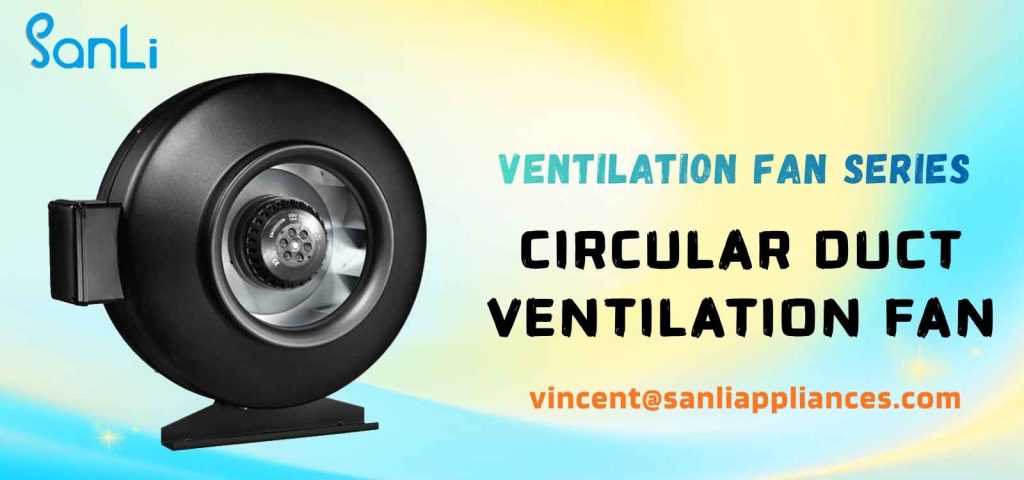
You can find ventilation fans in many places, including homes and factories. As the world changes, people increasingly desire cleaner air. The market for ventilation fans was valued at USD 3.57 billion in 2025 and is projected to grow to USD 6.74 billion by 2034, reflecting an annual growth rate of about 7.3%. Manufacturers optimize ventilation fans to meet local needs effectively. SanLi Appliances stands out due to its robust research capabilities, strong certifications, and commitment to quality. Manufacturers navigate regulations, supply challenges, and intense competition by creating fans tailored to your climate, preferences, and standards.
Key Takeaways
Ventilation fans help keep air clean in homes and factories. The market for these fans is growing fast. It may reach USD 6.74 billion by 2034.
Always look for certifications like ISO9001, CE, and UL. These show the fan is safe and good quality.
Think about your local climate when picking a ventilation fan. Humidity and temperature can affect how well the fan works.
People in different places like different kinds of fans. Pick a fan that fits what people want in your area.
Manufacturers use energy-efficient motors and smart controls. These help fans use less energy and save money.
Choose fans with advanced airflow designs. This makes your space more comfortable and keeps air cleaner.
Find fans made with strong and eco-friendly materials. This helps the fan last longer and is better for the environment.
Keep up with new rules and technology changes. This makes sure your fan stays safe and works well.
Regional Requirements
Local Regulations and Standards
Certification Bodies
There are strict rules for buying or installing ventilation fans. Every country has groups that check if products are safe and good quality. For example, SanLi Appliances has certifications like ISO9001, CE, UL, and CB. These show the fans meet important rules around the world. You can trust fans with these marks because they passed many tests.
Here is a table that lists common rules and standards for ventilation fan design:
| Compliance Solutions | Description |
|---|---|
| Air conditioning accessories | These must follow the rules for air conditioning systems. |
| Air handling units | These units in HVAC systems have to meet strict rules. |
| Exhaust appliances | These need special approval to remove air safely. |
| Electric fans | These must be made to meet safety rules. |
| Furnaces | These need to be checked and certified. |
| Hood and duct accessories | These must be regulated for safety. |
| Industrial and commercial ventilators | These need to follow rules in factories and offices. |
| Smoke extractors | These must meet safety standards for removing smoke. |
Compliance Criteria
You should check if a ventilation fan follows local rules before using it. Manufacturers look at what each market needs and what rules they have. They study the laws in every area and change their products to fit. SanLi Appliances uses a quality system for every step, from design to testing. This helps you get fans that are safe and work well where you live.
Climate and Environmental Factors
Humidity and Temperature
The weather affects which ventilation fans you need. In hot and wet places, you need fans that can handle heat and water. Temperature and humidity are important for comfort. Manufacturers Optimize Ventilation Fans by watching these things and making fans for each place.
Temperature and humidity are different in every area.
Fans must work in both dry and wet places.
Air Quality
Air quality is important in schools, homes, and offices. You want fans that can get rid of dust, smoke, and bad smells. Where a building is and its weather decide what kind of ventilation system you need. SanLi Appliances has fans for different air quality needs, so you can breathe better.
Consumer Preferences
Residential vs. Commercial
People in different countries like different fans. Home fans are popular in new houses and when people fix up old ones. Commercial fans help make air better in public places. Here is a table that shows what people like in some countries:
| Country | Residential Preferences | Commercial Preferences |
|---|---|---|
| Canada | People want fans for cooling and saving energy | N/A |
| Mexico | People want fans that are not expensive | N/A |
| Brazil | Fans are used in homes and small businesses | N/A |
| United Kingdom | People like portable and energy-saving fans | N/A |
| Germany | People want fans that are safe and work well | N/A |
| France | People want fans for heatwaves and saving energy | N/A |
| Italy | People want fans for summer | N/A |
| Russia | People use fans in homes and offices during some seasons | N/A |
| China | People like smart fans in homes | N/A |
| India | People use ceiling and pedestal fans | N/A |
| Japan | People want small and high-quality fans | N/A |
| Australia | People like ceiling fans and energy-saving fans | N/A |
| South Korea | People want quiet, small, and fancy fans | N/A |
Most fans are bought for homes.
Fans for businesses are used in public places.
Cultural Influences
Culture changes how people use ventilation fans. Some places like to open windows instead of using fans. Building rules and standards match what people do in each area. Manufacturers learn about these habits and make fans that fit your way of life.
Tip: Always make sure a fan is right for your weather, air quality, and culture before you buy it.
Manufacturers Optimize Ventilation Fans
Performance and Efficiency
Energy Consumption
You want a fan that uses less energy and saves money. Manufacturers make fans better by using new motors and smart controls. These motors do not use much electricity and last longer. Smart controls let fans change how they work when the air changes. The fan only runs when you need it, so you save energy. In the U.S., rules about air quality make companies improve their fans. In China, building codes say fans must be modern. India needs fans that work in many types of weather. SanLi Appliances uses advanced motors and indoor air quality ideas to make fans work better.
Fans with energy-saving motors use less power.
Smart controls help fans run only when needed.
Fans meet local rules for energy use and air quality.
Airflow Design
Airflow design is important for comfort and health. Manufacturers make fans that move air quietly and smoothly. They use special dampers to control fresh and stale air. Recovery ventilation systems swap dirty air for clean air. This keeps your room balanced. Climate-adaptive systems use real-time data to change airflow. SanLi Appliances uses atmospheric displacement technology to make airflow better in every place.
Tip: Pick fans with smart airflow design for more comfort and cleaner air.
Material Selection
Durability
You want fans that last a long time. Manufacturers pick strong materials to make fans tough. They use non-sparking parts to keep you safe in dangerous places. Corrosion-resistant materials help fans last in wet or rough spots. Here is a table that shows how material choices change fan quality:
| Criteria | Description |
|---|---|
| Non-sparking materials | Essential for safety in hazardous environments. |
| Corrosion-resistant materials | Ensures durability and compliance with environmental standards. |
SanLi Appliances uses good materials so fans stay safe and work well.
Eco-Friendly Materials
Many people care about nature. Manufacturers use recyclable and biodegradable materials for fans. They pick bio-based plastics, recycled metals, and safe coatings. These choices help protect the planet. SanLi Appliances uses green ideas and eco-friendly materials in their fans. You get a fan that works well and helps the Earth.
Noise and Safety
Sound Regulations
Noise can bother you at home or work. Manufacturers make fans quieter to help you feel better. They follow rules like the Noise at Work Regulations 2005. These rules say companies must control noise. Fans must meet sound limits from local laws. SanLi Appliances uses special air-path designs to make fans quieter and more comfortable.
Safety Features
Safety is important for everyone. Manufacturers add features to fans to keep you safe. Fans must follow fire safety rules, like Part B for smoke control. They also follow Part F for air quality and Part L for energy use. Companies test fans for danger in explosive places and check exhaust systems often. SanLi Appliances uses strong checks and smart safety designs to protect you.
| Regulation | Scope / Requirement | Application |
|---|---|---|
| Part F – Ventilation | Ensures indoor air quality and fume removal | Factories, warehouses, workshops |
| Part L – Conservation of Fuel and Power | Addresses fan efficiency and airtightness | All new and refurbished industrial premises |
| Part B – Fire Safety | Focuses on smoke control and escape routes | Industrial and commercial buildings |
Fans must pass safety tests.
Fans protect you from smoke, fumes, and noise.
Note: Always check if a fan meets local safety and noise rules before you buy.
Manufacturers make fans better by using new technology, smart designs, and strong materials. SanLi Appliances leads with advanced motors, IAQ ideas, and atmospheric displacement technology. You get fans that fit your area, save energy, last longer, and keep you safe.
Compliance and Certification
Certification Process
It is important to know how ventilation fans get approved. Manufacturers must follow many steps to meet world rules. SanLi Appliances has ISO, CE, UL, and other certifications. These show the fans are safe and good quality. Certification programs help companies make fans that save energy and help the planet. Many countries want these certifications because people care about the environment.
Documentation
Every certification starts with a lot of paperwork. Manufacturers collect papers about design, materials, and tests. They must show how their fans work and prove they are safe. Companies keep records from start to finish. This helps you trust the fans you buy.
Common Challenges
Manufacturers have problems when getting certified. Here are some things you may notice:
Buyers worry if the fans are always good quality. Small changes can make fans work worse.
Manufacturers find CE certification rules hard to follow. These rules can be confusing.
If fans are not always good, people return them and complain. Fans need to last a long time, so quality is important.
Tip: Always look for marks like CE or UL when you pick a ventilation fan.
Testing and Quality Assurance
You want fans that are safe and work well. Manufacturers test fans in labs and in real places. SanLi Appliances uses strong quality checks to make sure every fan is good.
Lab Testing
Third-party labs are important for checking quality. They test fans for how well and how safe they are. Labs help manufacturers in these ways:
| Role of Third-Party Laboratories | Description |
|---|---|
| Conducting Rigorous Testing | Makes sure fans meet rules for safety and performance. |
| Providing Certifications | Proves what manufacturers say about their fans is true. |
| Verifying Compliance | Checks that fans follow safety rules for users. |
Lab tests check airflow, energy use, and noise. You get fans that are safe and use less energy.
Field Validation
After lab tests, manufacturers try fans in real buildings. You see how fans work in homes, offices, and factories. Field checks help companies find problems and make fans better. SanLi Appliances listens to feedback and keeps improving their fans.
Note: Strong quality checks and always making things better help you get fans that last longer and work well.
Manufacturers Optimize Ventilation Fans by following approval steps, testing fans, and making them better. You get fans that are safer, more reliable, and better for the Earth.
Manufacturing and Supply Chain
When you think about how ventilation fans get to you, it takes many steps. Manufacturers like SanLi Appliances use smart ways to make sure you get the right fans for where you live. They pay attention to local suppliers and good shipping to meet your needs.
Local Sourcing
Regional Suppliers
You get benefits when companies work with suppliers near you. This helps lower shipping costs and makes delivery faster. It also lets companies react quickly if rules or demand change. SanLi Appliances teams up with local suppliers to make sure materials follow local standards. By having strong partnerships, manufacturers can give you fans that fit your area.
Production Adaptation
Manufacturers change their production lines for each region. Fans in wet places use special coatings to stop rust. Fans in cold places have extra insulation. SanLi Appliances uses flexible OEM and ODM models. You can ask for custom features or branding for your market. These changes help you get fans that work well where you live.
Tip: Local suppliers and changing production help companies give you fans that fit your needs and local rules.
Logistics and Distribution
Shipping Requirements
Getting fans to you needs careful planning. Manufacturers must follow different shipping rules in each country. They pick the best routes and packaging to keep fans safe. SanLi Appliances works with global partners for smooth delivery. They use tracking systems so you can see where your order is.
Inventory Management
Managing inventory helps companies meet your demand. Manufacturers use different ways to keep fans ready and avoid shortages:
Using many suppliers lowers risks if one has problems.
Real-time updates and communication help solve issues fast.
Tracking tools help predict needs and stop delays.
Safety stock and buffer inventory mean you get fans even during disruptions.
Learning from past events helps companies improve.
Planning for different situations prepares companies for surprises.
Here is a table that shows how these ways help you:
| Practice | Benefit for You |
|---|---|
| Diversification of Suppliers | More reliable product availability |
| Real-time Visibility | Faster response to your orders |
| Technology Integration | Accurate delivery and inventory info |
| Safety Stock | Products available during disruptions |
| Continuous Improvement | Better service over time |
| Scenario Planning | Quick solutions in emergencies |
Manufacturers like SanLi Appliances change their supply chains for your area. They build partnerships, adjust production, and use smart inventory methods. This way, you always get the ventilation fans you need, wherever you are.
Continuous Improvement
Manufacturers like SanLi Appliances always try to make their fans better. This helps you because you get safer and smarter fans. Let’s look at how feedback and new technology help these changes.
Market Feedback
Customer Input
You help shape the fans you use. When you talk about noise or airflow, companies listen. They get your ideas from surveys and reviews. Sometimes, they talk to you directly. This helps companies find ways to make fans quieter or stronger. They also try to make fans easier to put in. Companies use smart tools like generative AI to study your feedback fast. This helps them design fans that fit what you want. You get better air and feel happier with your fan.
Tip: Always tell companies what you think about your fan. Your ideas help make new fans even better.
Distributor Insights
Distributors also share important ideas. They know what customers want and what problems happen. Distributors tell companies about trends and common questions. They also report any issues they see. Manufacturers use this to make fans safer and fix problems early. SanLi Appliances works with distributors to keep up with changes. This helps make sure fans meet what you need.
Product Updates
Regulatory Changes
Rules for fans change a lot. You want fans that follow the newest safety rules. Manufacturers update fans to:
Meet new safety rules at work.
Follow health guidelines for the environment.
Satisfy insurance and safety needs.
Groups like the Canadian Standards Association and OSHA change their rules for fans. Local building codes also change when there is new research. SanLi Appliances watches for these changes and updates their fans. This means you always get fans that follow the latest rules.
Technology Advancements
Technology changes quickly. You see new things in fans every year. Manufacturers use smart controls and energy-saving motors. Some fans use IoT systems to work better. For example, some fans use brushless DC motors to save energy. Other fans have smart systems that change airflow when needed. These updates help you save energy and breathe cleaner air.
SanLi Appliances spends money on research to bring you new technology. They use process optimization to make fans work better and last longer. You get fans that are modern and good for the planet.
Note: Continuous improvement means you always get safer, smarter, and more efficient fans.
You get better fans when companies like SanLi Appliances care about how well they work, saving energy, and making less noise. They pay attention to what you want and change their fans for each place. You notice new ideas and better service all the time.
Pick fans that move lots of air, are quiet, and have Energy Star labels.
Find fans that are simple to set up and have good warranties.
| Future Trend | What It Means for You |
|---|---|
| Smart Ventilation Systems | You can control fans from far away for more comfort and savings. |
| Sustainable Solutions | You use fans that are good for the planet. |
| Energy Efficiency | You save money with motors that use less power. |
You will see fans that are smarter and help the planet in the future.
FAQ
What certifications should you look for in a ventilation fan?
You should look for marks like ISO9001, CE, UL, or CB. These marks mean the fan is safe and good quality. Always check for these labels before you buy a fan.
How do manufacturers make fans fit different climates?
Manufacturers learn about the weather in each place. They pick materials that can handle heat, cold, or wet air. This way, fans work well where you live.
Why do some fans use eco-friendly materials?
Eco-friendly materials help keep the Earth clean. When you pick fans with recycled or biodegradable parts, you help the planet.
How do you know if a fan is safe?
You can look for safety features like fire-resistant parts and strong covers. Check for certifications and test reports. These show the fan is safe to use.
What makes a fan energy efficient?
Energy-efficient fans have special motors and smart controls. You spend less money on electricity. Look for Energy Star labels or similar marks.
Can you customize a ventilation fan for your needs?
Manufacturers like SanLi Appliances let you ask for special features, sizes, or your own brand. You can get a fan that fits what you want.
How do manufacturers keep improving their fans?
Manufacturers listen to what you say and watch for new technology. They change designs and test fans often. You get better fans every year.
What is the difference between residential and commercial fans?
Residential fans are smaller and quieter. Commercial fans move more air and work in big spaces. You should choose the right fan for your building.
