
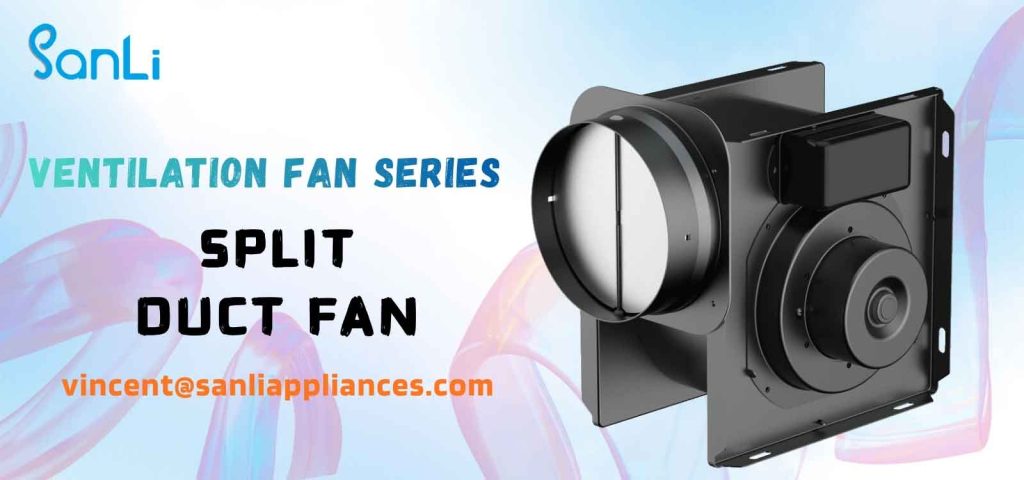
You want to start an oem project with a good supplier in the hvac industry. SanLi Appliances is a trusted partner. They have over 20 years of experience making fans and system solutions. You can trust their focus on quality and safety. They have international certifications like ISO9001, ISO14001, UL, CE, and more:
| Certification Type | Description |
|---|---|
| ISO9001 | Quality Management System |
| ISO14001 | Environmental Management System |
| ISO27001 | Information Security Management |
| CE | European Conformity |
| UL | Underwriters Laboratories |
| ETL | Electrical Testing Laboratories |
| ROHS | Restriction of Hazardous Substances |
| CB | Certification Body |
| SASO | Saudi Standards Organization |
| GCC | Gulf Cooperation Council |
| EMC | Electromagnetic Compatibility |
| LVD | Low Voltage Directive |
| CCC | China Compulsory Certification |
This buyer guide helps you follow each step easily. It gives you confidence for your project’s success.
Key Takeaways
Make sure you know your project goals. Write down what you need, like size, airflow, and noise level. This will help your supplier understand what you want.
Make a timeline that is possible for each part of the project. This will help you see how things are going. It also makes sure you get samples and products on time.
Collect things like samples and pictures. These will help you show your design ideas to your supplier.
Look up market standards and certifications. Knowing these helps you pick a good supplier. It also makes sure your product is good quality.
Get your team working together early. Share your goals and what you know about the market. This helps everyone work better and faster.
Tell your supplier exactly what you need. Give them clear drawings and details about how the fan should work. This stops confusion.
Test the prototypes very well. Check the airflow, cooling, and noise levels. Make sure the fan does what you want before making a lot of them.
Think about after-sales support. Good customer service and having spare parts make people happy. This also helps people trust your brand.
Preparation Steps for OEM Project
Define Project Goals
Identify Product Requirements
Begin your oem project by making a list of what you want from your ventilation fan. Think about where you will use it, like in a factory, store, or home. Decide if you need strong airflow, cooling, or special features. For example, you might pick centrifugal fans for high pressure or axial fans for big rooms. Write down the size, power, and noise level you need. This helps you and your supplier know what the project needs right away.
Set Timeline and Objectives
Set clear goals for your project. Pick a timeline for each step, from design to delivery. Know when you want the first sample and when you need the final product. Setting goals helps you check progress and keeps everyone working together.
Gather References
Collect Samples and Images
Find samples, pictures, or brochures of products you like. These help you show your ideas to the supplier. You can use them to explain the design, airflow, or cooling features you want. Collecting samples lets you compare different fans and see which one fits your needs best.
Research Market Standards
Look at the market to learn about new trends and standards in hvac and industrial fans. Check what other brands offer and see which certifications matter, like ISO or CE. When you gather references, pay attention to these important things:
Quality control systems
Certifications for safety and efficiency
Technological capabilities
Customer support and after-sales service
Companies with advanced production technologies are usually better at efficiency and new ideas. Picking a supplier like SanLi, who has strong R&D and a full industrial chain, gives your project a better chance to succeed.
Plan Budget and Team Alignment
Estimate Costs and Volumes
Figure out the cost for each part of your oem project. Think about how many fans you need, what kind of packaging, and any special extras. Knowing your budget helps you make smart choices when picking and making products.
Align Stakeholders
Bring your team together early. Make sure everyone knows the project goals, needs, and timeline. Share what you learned about the market and samples with your team. When everyone understands, your project goes faster and smoother.
Following these steps helps you build a strong start for your oem project. It makes it easier to pick the right fan, supplier, and application for what you need.
OEM Project Communication
Good communication is very important for an oem project. You must tell your supplier your ideas and needs at every step. SanLi Appliances lets you talk in many ways, like email or online meetings. You can also visit the factory if you want. These ways help you see how things are going and fix problems fast. Digital tools help you check updates and share files. This keeps everyone working together.
Share Specifications
Provide Drawings and Performance Needs
Give your supplier drawings and say what you want your fan to do. Each place needs something different. A kitchen might need strong airflow. A data center might need quiet fans. The right CFM keeps things safe. Some things change the CFM, like:
Equipment size
Enclosure shape
Motor heat
Component density
Environmental exposure
Talk about these with your supplier. This helps you pick the best industrial fan for your job.
Detail Technical Requirements
Write down all the technical details, like voltage, power, speed, and noise. Tell your supplier if you want centrifugal fans or axial fans. Say if you need special things, like speed control or temperature sensors. Clear details help stop mistakes and save time.
Artwork and Branding
Logo and Color Schemes
You can make your oem product special with your logo and colors. Give your supplier your brand rules and color codes. This makes sure your fans look like your company’s style.
Custom Packaging Design
Work with your supplier to make packaging that protects your fan and looks nice. Pick the box type, add your logo, and choose labels. Good packaging helps your brand and keeps your fans safe when shipping.
Packaging and Accessories
Materials and Structure
Choose strong materials for boxes and packing. Make sure the box fits your fan and keeps it safe. You can ask for eco-friendly choices if you care about the environment.
Accessory Lists and Manuals
Check all the accessories and papers that come with your fan. Here is a table of common things for industrial fans:
| Accessory/Requirement | Description |
|---|---|
| Custom Labels | Model labels, logo labels, barcodes, carton marks for product identification |
| Installation Details | Fan size, voltage, airflow target, noise limit for proper installation |
| Finger Guards and Fan Grills | Protects the blade area and reduces contact risk during operation |
| Dust Filters and Filter Frames | Reduces dust entry; check airflow and static pressure together |
| Panels and Mounting Parts | Ensures proper fit; confirm fan size and hole distance |
| Wire Harness and Connectors | Custom lengths and terminals; clear wiring details are essential |
| Speed and Temperature Control | Adjusts airflow based on temperature; depends on fan model and needs |
| Power Adapters | Needed when power supply voltage does not match fan voltage |
| Installation Check | Verify fan size, cutout size, and other details before ordering |
Go over these things with your supplier to make sure your project has everything it needs. Talking clearly helps you avoid problems and get the best results for your oem project.
Step-by-Step Process: Sample Review
When you start an oem project with a ventilation fans supplier, you need to look at samples closely. This step helps you pick the right industrial fan for your hvac job. You can see if the product matches what you want and fits your market.
Request Samples
Prototype and Pre-production
Ask your supplier for a prototype or pre-production sample. This sample lets you see the real fan and how it works. You can check the size, type, and cooling features. You can compare different industrial fans, like axial fans and centrifugal fans, to find the best one for your project. SanLi Appliances gives certified samples that meet strict quality rules. You can use these samples to test airflow and performance before you say yes to bulk packing.
Lead Times and Costs
You need to know how long it takes to get your samples and how much they cost. Lead time depends on the sample type and the supplier. Here is a table that shows normal lead times for sample requests in oem projects:
| Manufacturer | Sample Type | Lead Time |
|---|---|---|
| SanLi Appliances | Certified Samples | 4 weeks |
| Revcor | Standard Samples | 3 days |
| Revcor | Custom Samples | 5 days |
Plan your project timeline using these lead times. Ask your supplier about costs for prototypes and pre-production samples. This helps you manage your budget and keep your project moving.
Evaluate Quality and Performance
Performance Testing
You need to test the fan to make sure it works well. You can check airflow, cooling, and noise levels. You should see how the fan works in different places. Here are important things to check when you look at ventilation fan samples:
Whole building outdoor air change rates
Ventilation system outdoor air and supply air delivery rates
Envelope infiltration rates
How ventilation rates change with weather and system use
Why you need to measure many times in different conditions
Indoor carbon dioxide levels and what they mean
SanLi Appliances uses a strong inspection system. You can trust their international certifications, like ISO9001 and CE, to make sure the fan works well. You should test the sample in your real job to see if it gives high airflow and fits your needs.
Reliability Testing
You need to check if the fan works well for a long time. You can run the fan for many hours and see if it stays the same. You should test the fan in hot, cold, or dusty places. Look for signs of wear or changes in noise. SanLi’s samples go through tough reliability tests to make sure they last and stay safe. You can use these tests to decide if the fan is right for your project and market.
Feedback and Revisions
Document Issues
Write down any problems you find with the samples. You can note issues with airflow, cooling, noise, or installation. Share these notes with your supplier. Good notes help you fix problems faster and make the product better.
Iterative Approval
You need to follow steps to approve samples. Here are the main steps in the feedback and revision process:
Feedback Received
Information Review
Technical Check
Solution Discussion
Future Improvement
Work with your supplier to make changes and get new samples. Repeat this process until the fan is just right. This helps you make sure your oem project gives the best product for your job.
Tip: Always test samples in real conditions and write down your feedback. This helps you improve the fan and pick the right one for your project.
You can trust SanLi Appliances to help you at every step. Their strong inspection and international certifications make your oem project easier and safer.
Finalizing OEM Project Details
When you get to the last step of your oem project, you need to check everything. This step makes sure your industrial fan works for your hvac job. You and your supplier look at packaging, labels, manuals, and accessories together. Checking carefully keeps your brand safe and helps your fan work well.
Confirm Packaging and Labels
Artwork Approval
You must say yes to the artwork for your fan’s box. Look at the logo, colors, and design. Make sure the box fits your brand style. Check where your logo goes and any special marks. Clear artwork makes your product easy to spot and helps customers choose it.
Regulatory Labels
Regulatory labels show your fan is safe and good quality. You need to look for marks like CE, UL, and ISO. These labels prove your fan is safe in many places. SanLi Appliances uses strong quality checks. You can follow each fan from start to finish. This tracking helps you follow rules and feel sure about your project.
Approve Manuals and Documentation
User Instructions
You must check the user instructions for your fan. Good instructions help people install and use the fan safely. Clear steps make the fan work better and stop mistakes. Make sure the manual talks about airflow, cooling, and care. Simple words help users follow each step.
Localization Needs
If your project goes to different countries, you need to change the manuals. Translate instructions into local languages. Change pictures and safety warnings for each place. Good localization helps your oem project reach more people and keeps fans safe everywhere.
Finalize Accessories
Tools and Kits
You need to check the tools and kits that come with your fan. These items help with putting in and fixing the fan. Common accessories for oem ventilation fan projects include:
Ducts
Duct Connectors
Louvered Shutters
Diffuser Grilles
Exhaust Covers
Silencers
Air Dampers
Air Inlets and Outlets
Each accessory helps your fan work better and fit your job. You pick the right ones for your project.
Spare Parts
You must check the list of spare parts. Spare parts help people keep their fan working for a long time. Include things like extra blades, motors, or mounting hardware. Good spare parts planning makes fans last longer and helps with fixing them later.
Tip: Always check manuals and accessories with your supplier. Strong quality checks and clear instructions help your oem project do well. Following rules keeps your brand safe and makes sure fans are safe everywhere.
You finish this step by checking all details. You make sure your industrial fan, like axial fans or centrifugal fans, fits your project. Careful choices and checks lead to good performance and happy customers.
Mass Production Steps
When you start mass production, you go from planning to making real fans. This is when your oem project turns into a finished fan for the market. SanLi Appliances makes fans in their own factory. They use a quality inspection system. You get good results and can track every fan.
Final Approvals
Production Sample Confirmation
You must check the production sample before making lots of fans. The sample shows the final design, box, and accessories. You test the sample for airflow and cooling. You compare it to your chosen industrial fan. You make sure it fits your needs. You look at the fan type, like axial fans or centrifugal fans. You approve the sample only if it matches your project goals.
Manufacturing Agreements
You sign agreements after you approve the sample. These papers set rules for making, sending, and checking quality. You add details about the oem fan packaging checklist and oem fan packaging checklist details. You make sure the supplier follows your rules for artwork, labels, and accessories. You agree on how many fans, how fast, and how to pay. You keep things clear so you do not have problems later.
Checklist and RFQ
OEM Fan Packaging Checklist
You use an oem fan packaging checklist to stay organized. The checklist helps you track every detail for mass production. You make sure the box protects the fan and shows your brand. You check the list with your supplier before making fans.
Pick the right box for your fan
Give artwork rules early
Approve samples before packing starts
Send logo file for branding
Choose color box or plain box
Set manual language for your market
Add barcode and label for tracking
Confirm carton marks for shipping
List accessories for each fan
Approve packaging sample before mass production
You check each item so nothing is missed. You use the oem fan packaging checklist details to help you decide.
Lead Times and Delivery
You plan how long it takes to make and send your fans. You want to know the time for making and shipping. You use a table to compare order types.
| Order Type | Lead Time (Working Days) |
|---|---|
| Standard regular in-stock equipment | 7–10 |
| Conventional cage systems, bulk orders without custom molds | 15–25 |
| Deep customized OEM products with new mold opening | 30–40 |
You pick the order type that fits your timeline. You talk with your supplier about delivery dates and shipping ways. You use the oem fan packaging checklist to make sure your fans arrive safely.
Quality Control
Factory Audits
You check quality with factory audits. SanLi Appliances uses strict checks to keep standards high. You look at how many fans are checked and what is allowed. You review reports with pass or fail results, photos, and defect counts. You follow rules like ISO 2859-1 and ANSI/ASQ Z1.4. You schedule audits when most fans are made. You use reports to see how many fans, boxes, and defects.
| Aspect | Details |
|---|---|
| Inspection Level | Shows how many fans are checked from an order. |
| Acceptable Quality Limit | Shows how many can fail before it is a problem. |
| Reporting Procedure | Has pass/fail results, key findings, photos, and defect counts. |
| Standards Governing PSI | ISO 2859-1 and ANSI/ASQ Z1.4 are used. |
| Timing for PSI | Audits happen when 80–100% of fans are made and packed. |
| Report Contents | Reports show how many fans, boxes, defects, and decisions. |
Pre-shipment Inspections
You check your fans before they leave the factory. You look at noise, airflow, and how strong the fan is. You check if the fan works in different climates. You review outside certifications for safety and quality. You use improvement steps to keep quality high. You listen to customer feedback to find ways to get better.
| Quality Control Measure | Description |
|---|---|
| Rigorous Testing | Each fan is tested for noise, airflow, and strength before leaving the factory. |
| Third-Party Certifications | Makers get outside proof of quality and safety. |
| Continuous Improvement Processes | Quality checks are improved to match new industry ideas. |
| Environmental Testing | Fans are tested to work well in different places. |
| Customer Feedback | Customer ideas help find ways to improve and meet needs. |
Tip: Always use the oem fan packaging checklist and oem fan packaging checklist details for quality checks. This keeps your project safe and your fans ready for the market.
You finish mass production by checking every step. You use the oem fan packaging checklist to keep your project on track. You trust SanLi Appliances for good production, strong quality checks, and safe delivery. You get fans that work well for hvac and industrial jobs.
Exhaust Fan Installation Process
A project is not finished after making the fan. You must check that your exhaust fan works well after it is put in. SanLi Appliances gives you many fan choices and clear instructions. Good installation and after-sales help give you the best results for your space.
Installation Preparation
Site Assessment
First, look at the place where you want to put the fan. Find a spot close to moisture or heat. Make sure air can go outside. Measure the space to see if the fan and duct fit. If walls or things are near the inlet or outlet, change the layout. This stops airflow problems and noise.
Tools and Materials
Get all tools and materials before you start. You need a drill, screwdriver, ladder, saws, pencil, and wire stripper. Pick the right size fan for your job. Choose strong hardware and the right duct. Having everything ready makes the job easy and safe.
Tip: Check your tools and materials list again before you start. This saves time and stops mistakes.
Step-by-Step Installation
Mounting and Wiring
Mark where the fan will go on the wall or ceiling. Cut the hole with the right saw. Use hardware to hold the fan in place. Connect wires as the manual says. Make sure wires are tight and safe. If you use ducting, attach it firmly to the fan. Do not use sharp bends or short ducts. These can make noise and lower airflow.
Testing and Safety Checks
Turn on the fan after mounting and wiring. Listen for strange sounds. Check if air moves out of the room well. Look for shaking or leaks. Use a checklist to make sure all steps are done. Fix any problems before you finish.
| Challenge Type | Common Causes | Consequences |
|---|---|---|
| Problems at the fan inlet | Wall or obstacle in front of the fan | Irregular airflow, more noise |
| Problems at the fan outlet | Sharp bend after the fan | Turbulence, lower performance |
| Limited installation space | Fan too close to a wall | Air recirculation, uneven airflow |
Post-Installation Support
Customer Feedback
Ask users what they think after the fan is installed. Tell them to share how the fan works. Clean the grill and blades often to keep the fan working well. Remind users to check the duct for blockages and change filters if needed. Write down maintenance dates to track how the fan works.
Warranty Claims
If users have problems, help them with the warranty steps. SanLi Appliances gives strong after-sales help. Fast answers to warranty claims build trust and keep your project going. Always keep records of installation and maintenance for easy service.
Note: Good support after installation helps your project do well and keeps customers happy.
Post-Production and Continuous Improvement
SanLi Appliances works with partners in many countries. You can trust their experience to help after your fans are made. The company always tries to get better. You get help from the beginning to the end.
Logistics and Shipping
Freight and Customs
You need to plan how your fans get from the factory to you. Freight services help move your products safely. Customs rules are different in every country. You must check all papers and follow the local laws. SanLi Appliances helps you with forms and customs steps. This way, you do not have delays or extra costs.
Tip: Always ask for a shipping plan and customs list. This helps your project stay on time.
Delivery Coordination
You must plan delivery times with your team. SanLi Appliances gives you updates about shipping. You can track your order and get ready for it to arrive. Good planning helps you start installation fast. You save time and do not get confused.
After-Sales Support
Handling Feedback
You need strong support after you get your fans. SanLi Appliances listens to what you say. You can tell them about problems or ask questions. The company answers quickly and fixes issues. You feel sure about your fan and how it works.
| Strategy | Importance |
|---|---|
| Dedicated post-sale service support | Makes customers happy and solves problems fast, so people trust the brand. |
| Availability of spare parts | Helps fix fans quickly and keeps them working, so you do not lose time or money. |
You get spare parts fast if you need to fix something. This keeps your fan running and stops long breaks.
Planning Future Projects
You can use your feedback to plan new projects. SanLi Appliances cares about your ideas. You share what works and what needs to change. The company uses your thoughts to make better fans. You work together for a long time and reach new goals.
Note: Always trying to get better helps you stay ahead. You get good help and better fans every time.
You finish your project with good shipping, fast delivery, and helpful support. SanLi Appliances stays with you and helps your business grow.
You can feel sure about starting your OEM project if you follow this guide step by step. SanLi Appliances helps you with good support and checks the quality of every industrial fan. Use the checklist so your project stays neat and goes well. You will get ventilation solutions that work well and help your business do better. If you want cleaner air and to use less energy, work with SanLi Appliances. Start your OEM project now and notice how things improve.
Good support you can count on
Quality is always checked
Solutions that save energy
Start now by reaching out to SanLi Appliances for your next project.
FAQ
What is OEM in ventilation fans?
OEM means you work with a manufacturer to create fans with your brand. You choose the design, features, and packaging. The manufacturer makes the fans for you. You get products that match your needs and market.
How do I choose the right packaging for my fans?
You should pick packaging that protects your fans during shipping. Look for strong boxes and safe materials. Good packaging also shows your brand. You can ask your supplier for eco-friendly options. Always check packaging samples before mass production.
Why is packaging important for ventilation fans?
Packaging keeps your fans safe from damage. It helps your fans look good on store shelves. You can use packaging to share instructions and your logo. Good packaging makes your fans easy to sell and use.
Can I customize the packaging design?
Yes, you can. You can add your logo, colors, and special artwork to the packaging. You can choose the box shape and size. Custom packaging helps your fans stand out. Ask your supplier for design help and packaging samples.
What should I include in the packaging checklist?
You should list the box type, artwork, labels, and manuals. Add barcodes and accessory lists. Check that the packaging fits your fan. Make sure the packaging protects your product. Review the checklist with your supplier before production.
How do I test if the packaging is strong enough?
You can ask for packaging samples. Test the packaging by dropping or stacking boxes. Check if the packaging keeps the fan safe. You can ask your supplier for test reports. Good packaging passes all safety tests.
Who checks the packaging before shipping?
Your supplier checks the packaging during production. You can also ask for photos or videos. Some buyers visit the factory to check packaging. Third-party inspectors can check packaging too. Always review packaging before your fans ship.
Can I use eco-friendly packaging for my fans?
Yes, you can choose eco-friendly packaging. Ask your supplier for recycled or biodegradable materials. Eco-friendly packaging helps the environment. It also shows your brand cares about green choices. Always check if the packaging meets your needs.
